Beyond the Exam Room: What We Learned From Endo Warriors in Central Park
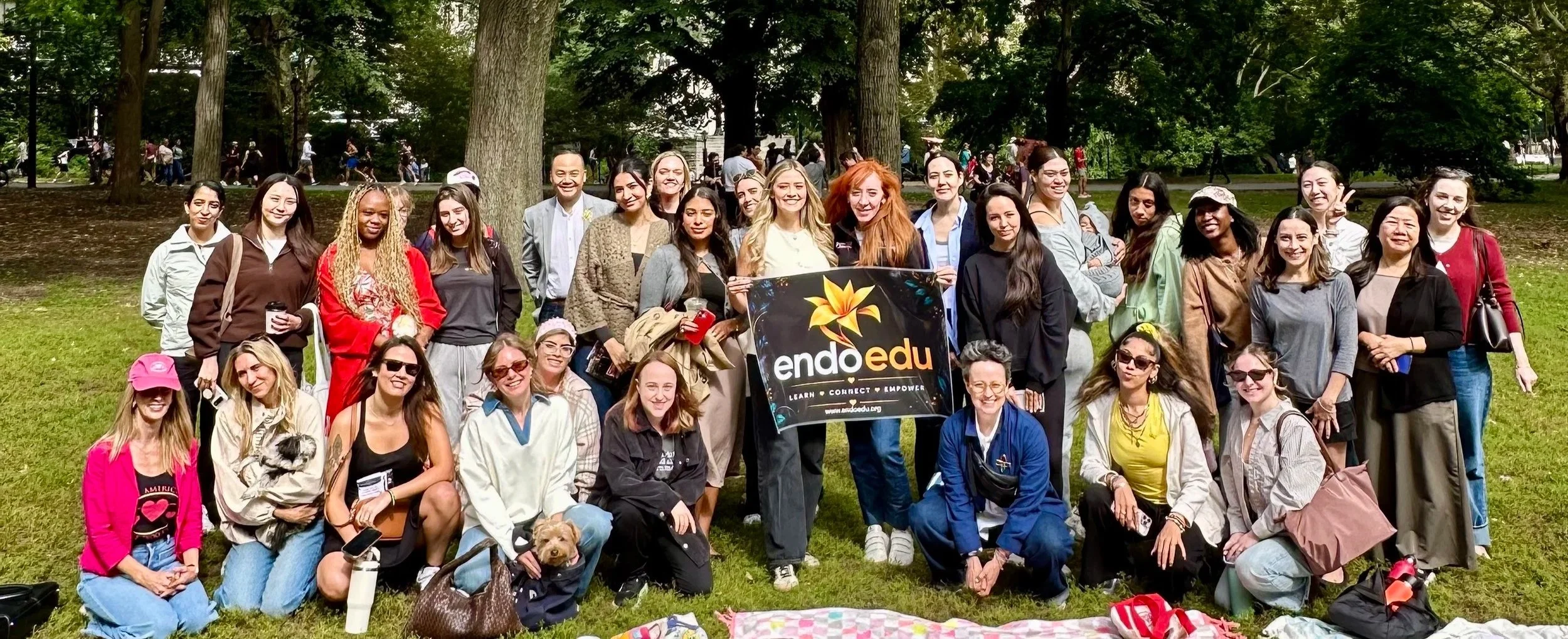
Our first EndoEdu New York meetup wasn't designed around a presentation. It was designed around conversation. And that may have been the most important part.
The day before, we had been at Cold Spring Harbor Laboratory talking about endometriosis at the level of cells, organoids, inflammation, metabolism, and disease biology.
Saturday morning could not have looked more different:
There were no microscopes.
There were no slides.
There wasn't even a lecture.
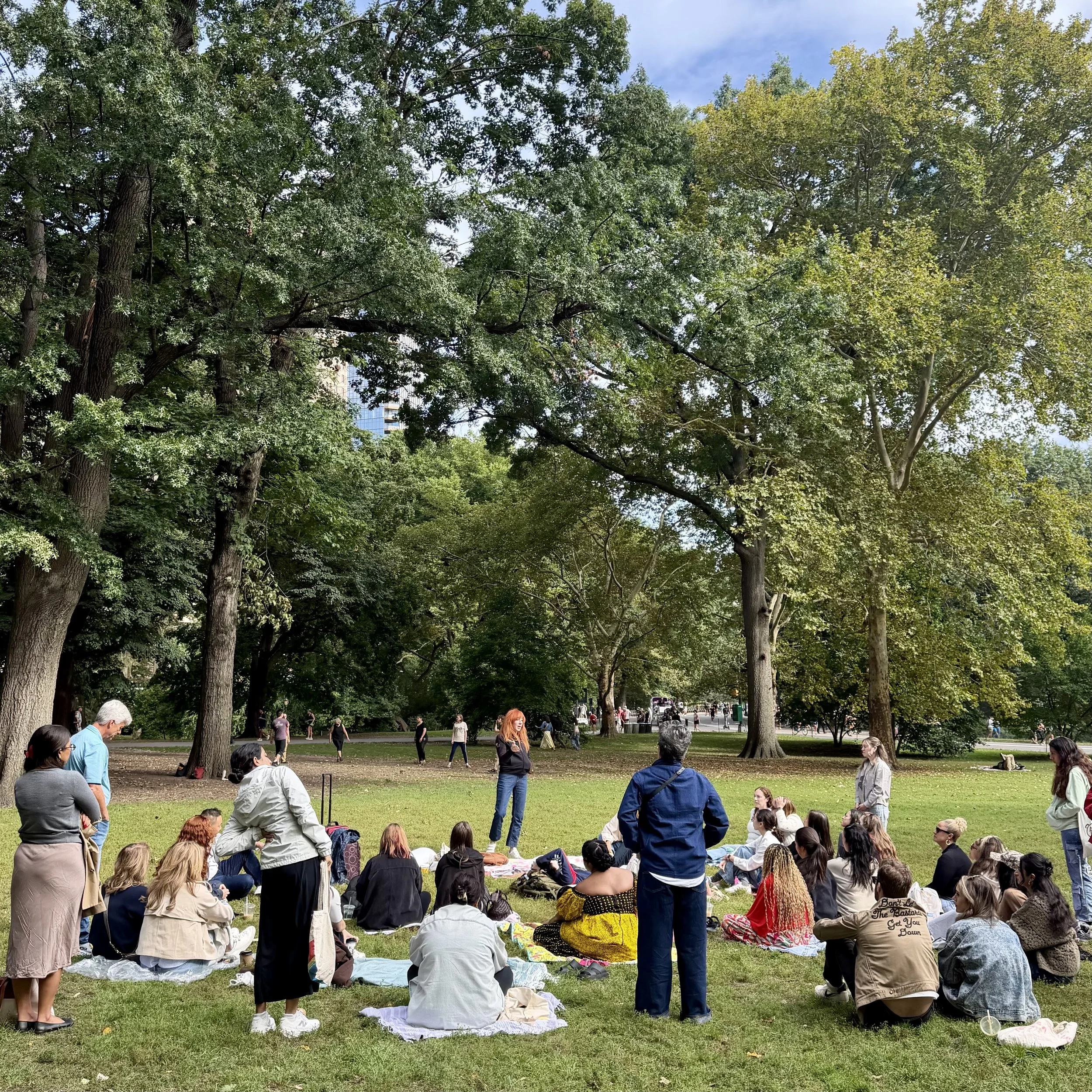
Instead, we brought blankets to Central Park and invited the endometriosis community to come spend the morning with us. More than 100 tickets were distributed for our first EndoEdu meetup in New York. But the goal was never to get 100 people together so I could teach them about endometriosis.
I wanted to hear from them.
What Changes When We Stop Calling Someone a Patient?
As physicians, most of our interactions with people happen inside a structure. There is an appointment time. A chief complaint. A medical history. Questions that need answers. Decisions that need to be made.
That structure is necessary. But it also shapes the conversation.
Sitting on a blanket in Central Park with someone who lives with endometriosis is different from sitting across from them in an exam room.
The questions change.
The stories get longer.
And sometimes you hear about the parts of endometriosis that don't fit neatly into a medical chart:
What are people struggling to explain to their physicians?
What do they wish someone had told them before their first surgery?
How are they navigating fertility?
What happens during recovery when they go home?
Where do pelvic floor therapy, nutrition, acupuncture, mental health, relationships, careers, and family fit into their care?
What happens when someone has technically been "treated," but still doesn't feel well?
These aren't side conversations. They are part of understanding what it actually means to live with this disease.
A Very Personal Place to Have This Conversation
There was another reason this particular meetup meant so much to me. Central Park is part of my own story. I grew up in New York City. I ran track there. I played baseball there. I spent part of my childhood there.
Eventually, life took me away from New York, through engineering, medical school, residency, surgery, and ultimately to San Diego, where endometriosis became such a large part of my work. Coming back all these years later and sitting in that same park with a community of Endo Warriors felt incredibly special.
The place hadn't changed what it meant to me. But I had.
Sometimes We Need to Stop Talking and Listen
Jeff came to New York with me, as he does for so much of what we're building through EndoEdu. But his perspective on these conversations is different from mine. I'm the surgeon. He isn't.
He asks different questions because he isn't approaching every conversation through the lens of a physician. He has spent years watching my work with endometriosis grow and, through EndoEdu, hearing more and more of the experiences of the women behind this disease. Now he's beginning a new project centered on listening. I'm intentionally not going to say much more about it yet. But the idea behind it is simple:
there are far too many women's stories that haven't been heard.
Some are difficult. Some are hopeful. Some are frustrating. Some are transformative. Many are all of those things at once. There can be tremendous value in simply asking someone:
What happened to you?
And then giving them enough space to answer.
Research Needs Questions. Care Needs Listening.
Our Friday at Cold Spring Harbor Laboratory and our Saturday in Central Park may have looked completely different. But I've been thinking about how closely connected they actually are.
In the laboratory, we were asking why endometriosis behaves differently. In Central Park, we were listening to how differently people experience it. Both matter.
Researchers can help us understand disease biology. Surgeons can continue improving how we identify and treat disease. Other specialists can help address the many systems and symptoms that may be involved. And Endo Warriors can tell us where the questions we're asking still don't match the problems they're actually trying to solve. That conversation needs to move in both directions.
Could This Be the Beginning of EndoEdu New York?
When we started EndoEdu, we wanted to create something that helped people learn, connect, and feel empowered. The word connect matters.
Education doesn't always need to happen from a stage. Sometimes it happens when someone sits down next to another person who has been through something similar and realizes she doesn't have to explain everything from the beginning. Sometimes it happens when a physician stops talking and listens.
Our Central Park meetup was supposed to be one morning in New York. After experiencing it, we're wondering whether it should become something more. Maybe this is the beginning of an EndoEdu community in New York. Maybe that means meetups. Coffee. Walks. Conversations with experts. Or simply creating opportunities for Endo Warriors to find one another.
We want the community to help us figure that out. If you're an Endo Warrior in New York, would you come back? And if you weren't able to join us this time, would you come to the next one?
